
office of the CHRO
Your business strategy requires a ready workforce.
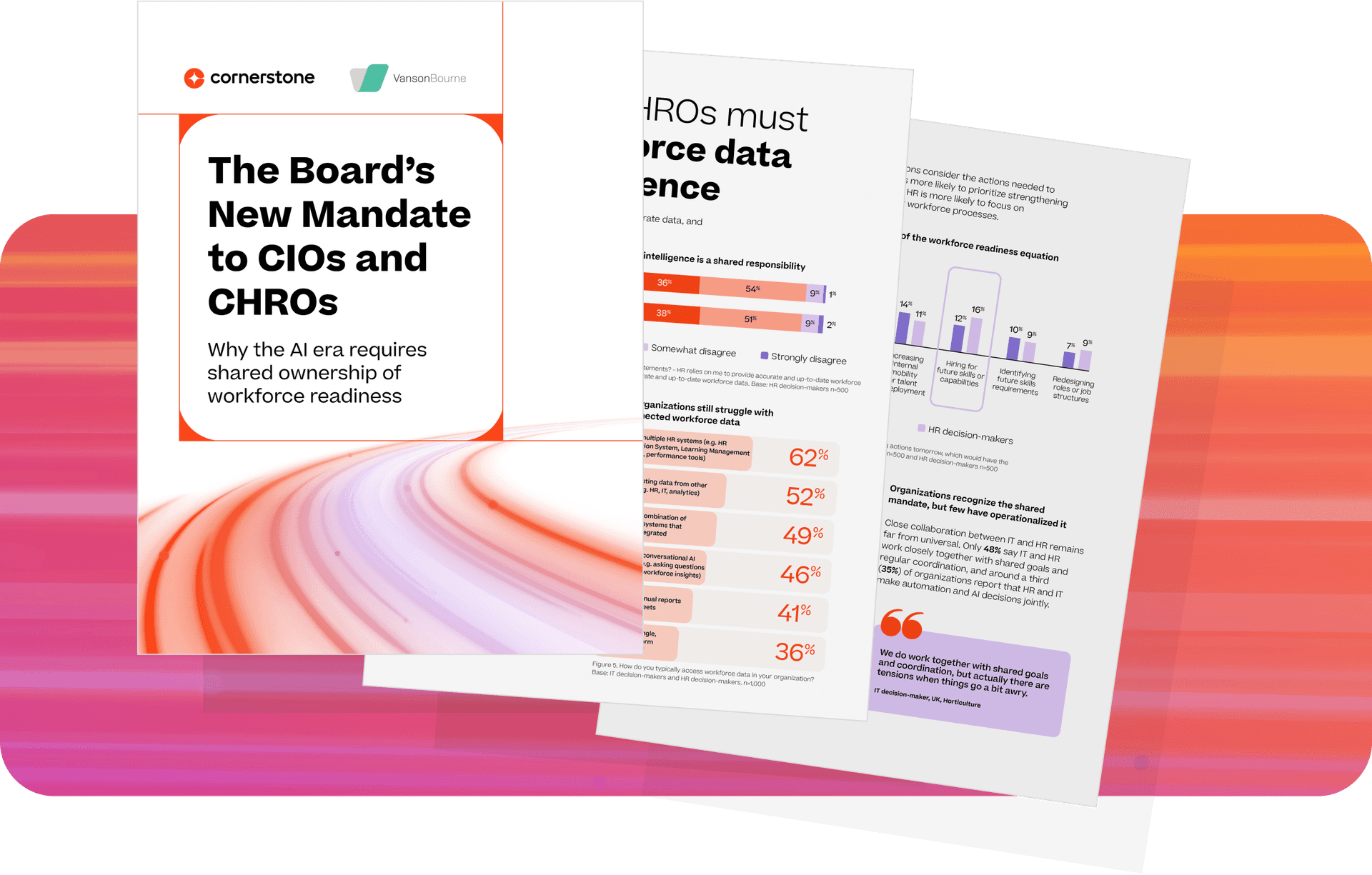
Why workforce readiness is now a board mandate
94%
of HR and IT leaders agree that workforce planning must become more continuous and adaptive. See why workforce readiness is becoming a board-level priority.
The challenges you’re navigating

You need to know what your workforce can do and what the business will need.
Critical choices about growth, AI, and investment strategy increasingly depend on understanding workforce capability, but fragmented talent data makes that difficult.
You need to help your workforce adapt as fast as your business.
Strategy, technology, and customer expectations are changing overnight. The challenge is keeping your workforce ready at the same pace.

You need to develop the talent pipeline your business depends on.
Sustained performance depends on developing people continuously, from performance and career planning to internal mobility and succession.


Solutions
Workforce intelligence
Know your workforce. Grow your business.
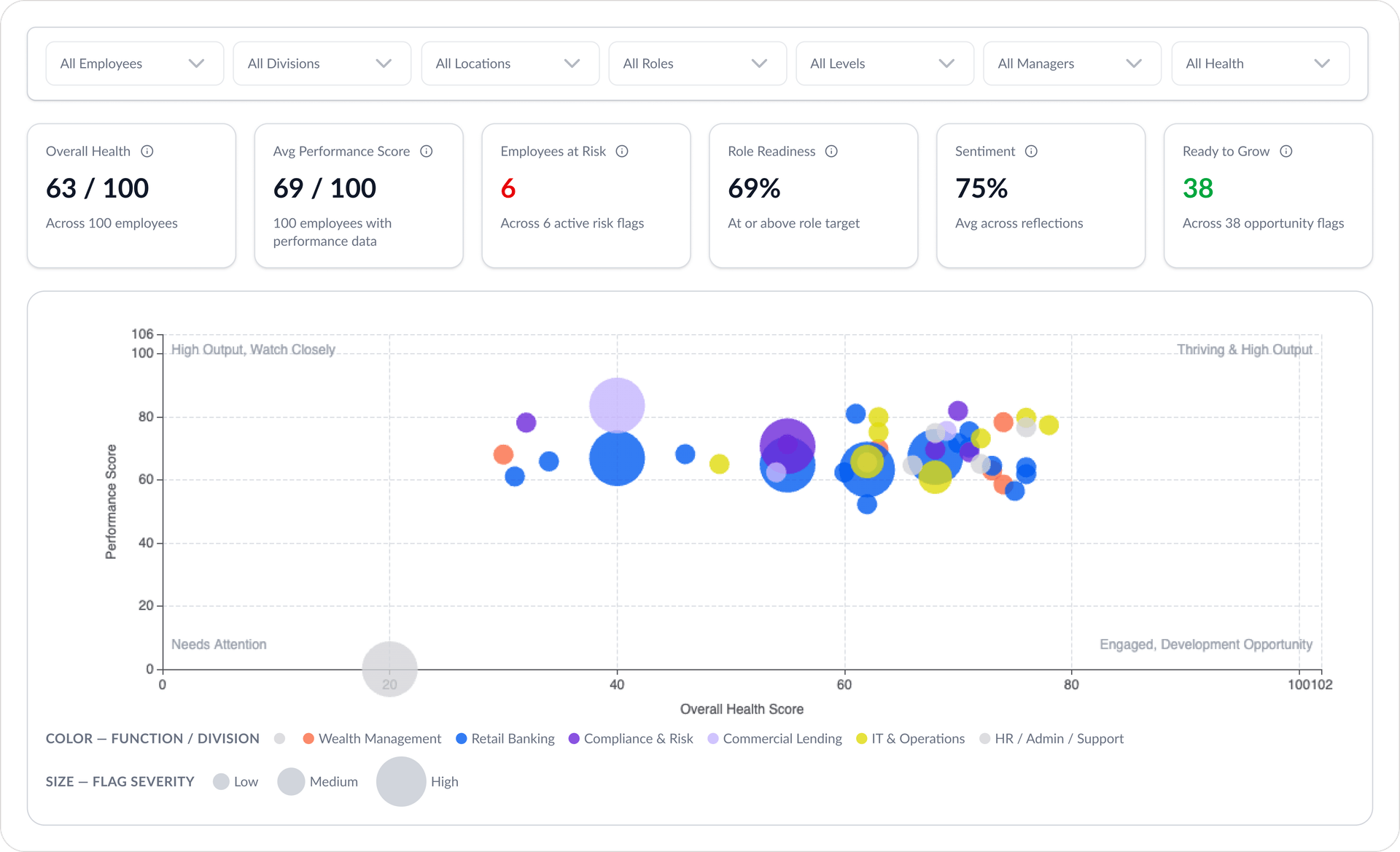
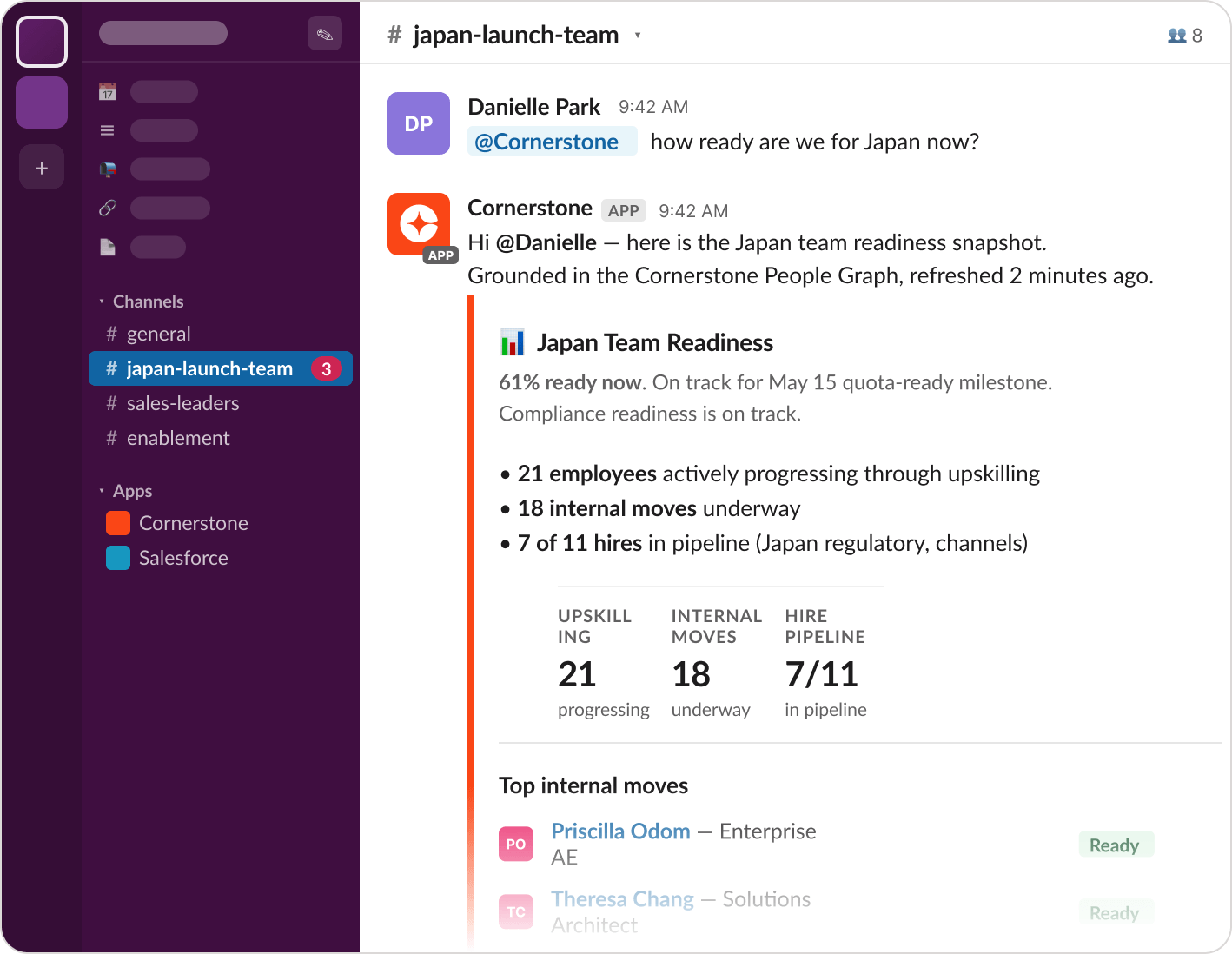
Bring workforce signals, labor market intelligence, and people data together into a dynamic view of workforce capability. See what people can do today, where gaps are emerging, and what your business will need next.
Adaptive action
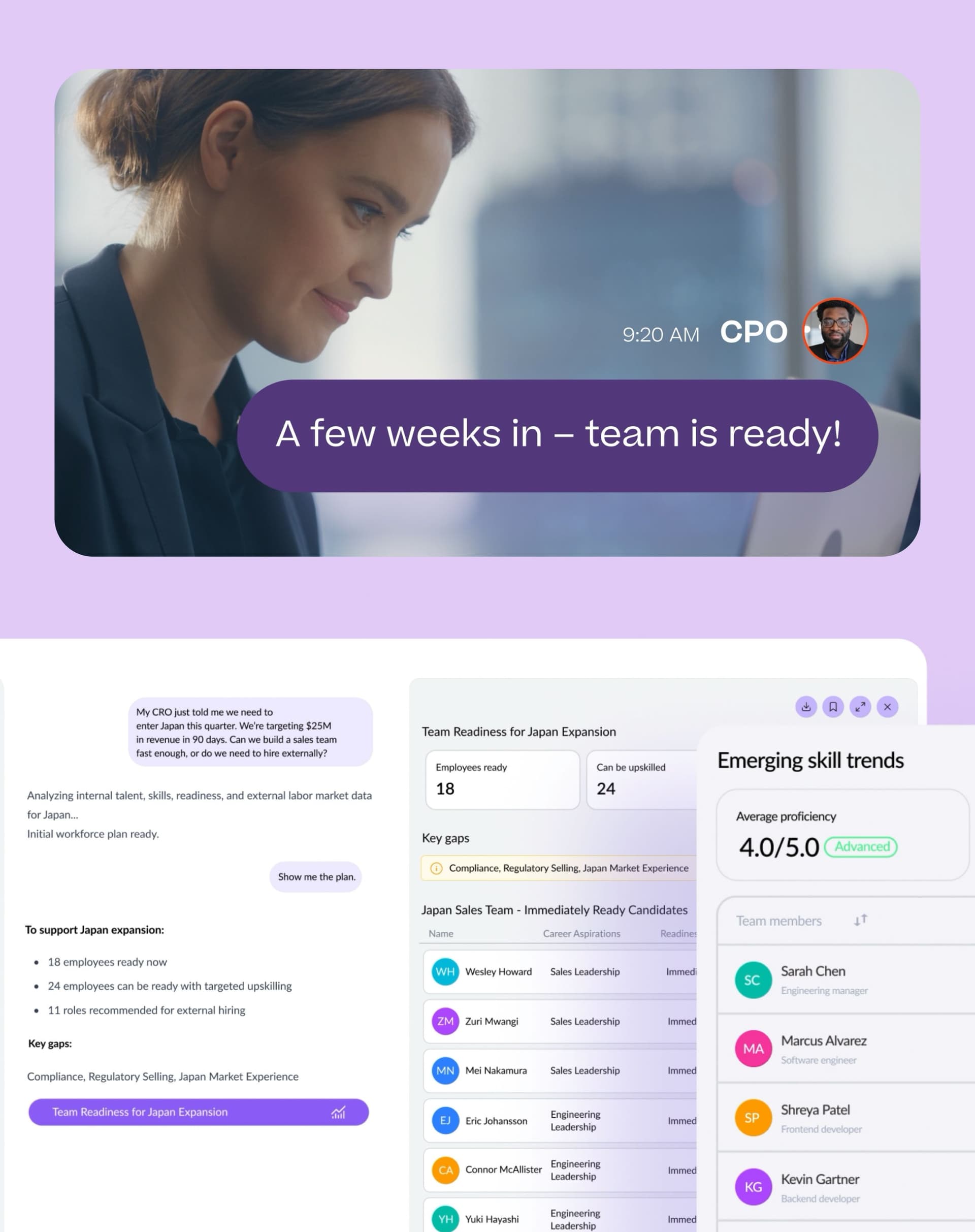
Turn workforce insight into action, faster.
Use AI agents to translate changing business needs into targeted action across development, learning, and mobility. Adapt continuously as priorities shift, instead of spending months launching programs for needs that can change within weeks.
Talent development
Connect performance, growth, and mobility to business outcomes.
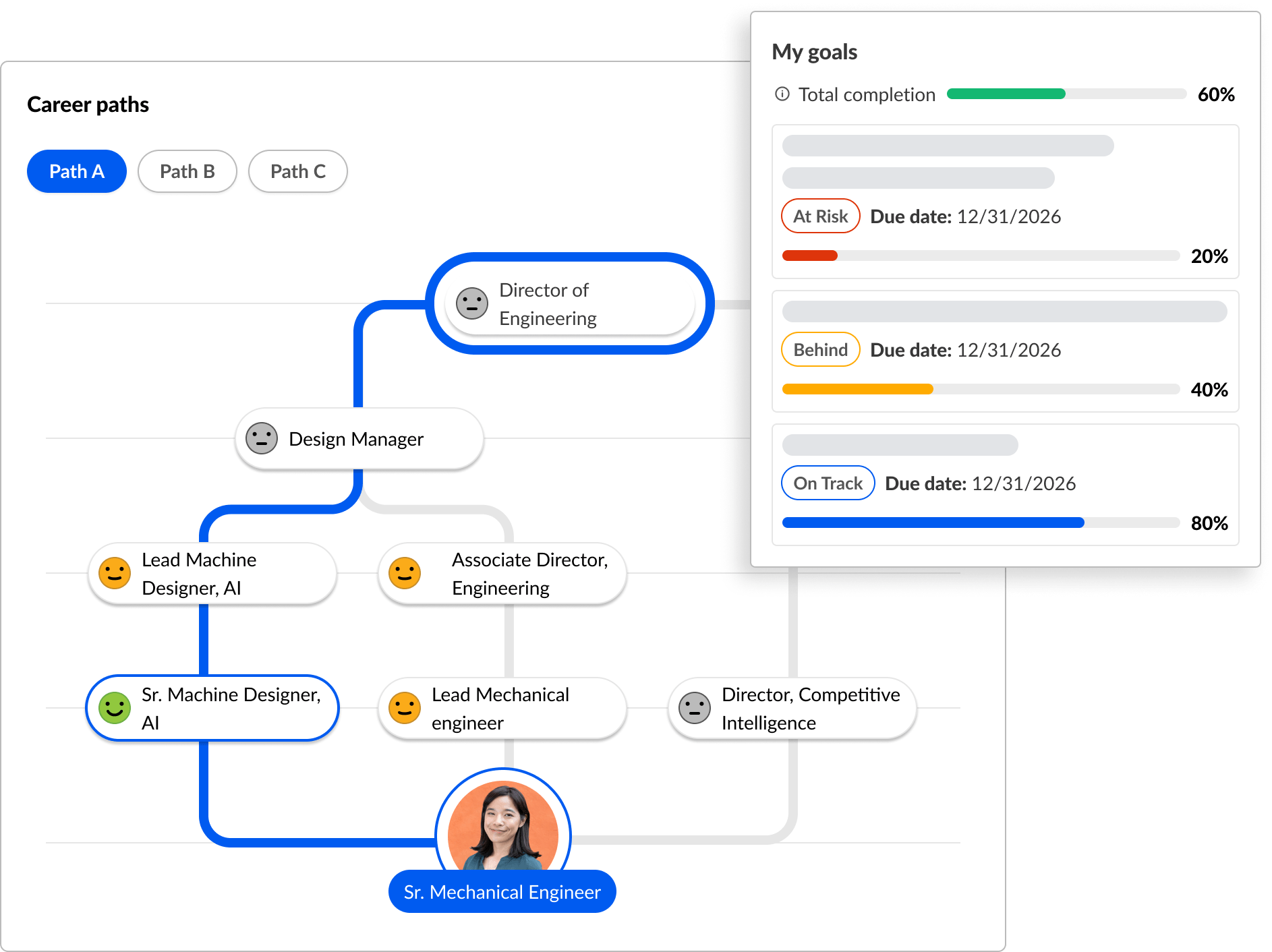
In one continuous system, you can connect performance, succession, career development, internal mobility, and learning with AI experiences and assistants built into every step. So you can build the leadership pipeline your business depends on.
Learning
Make continuous learning your foundation for readiness.
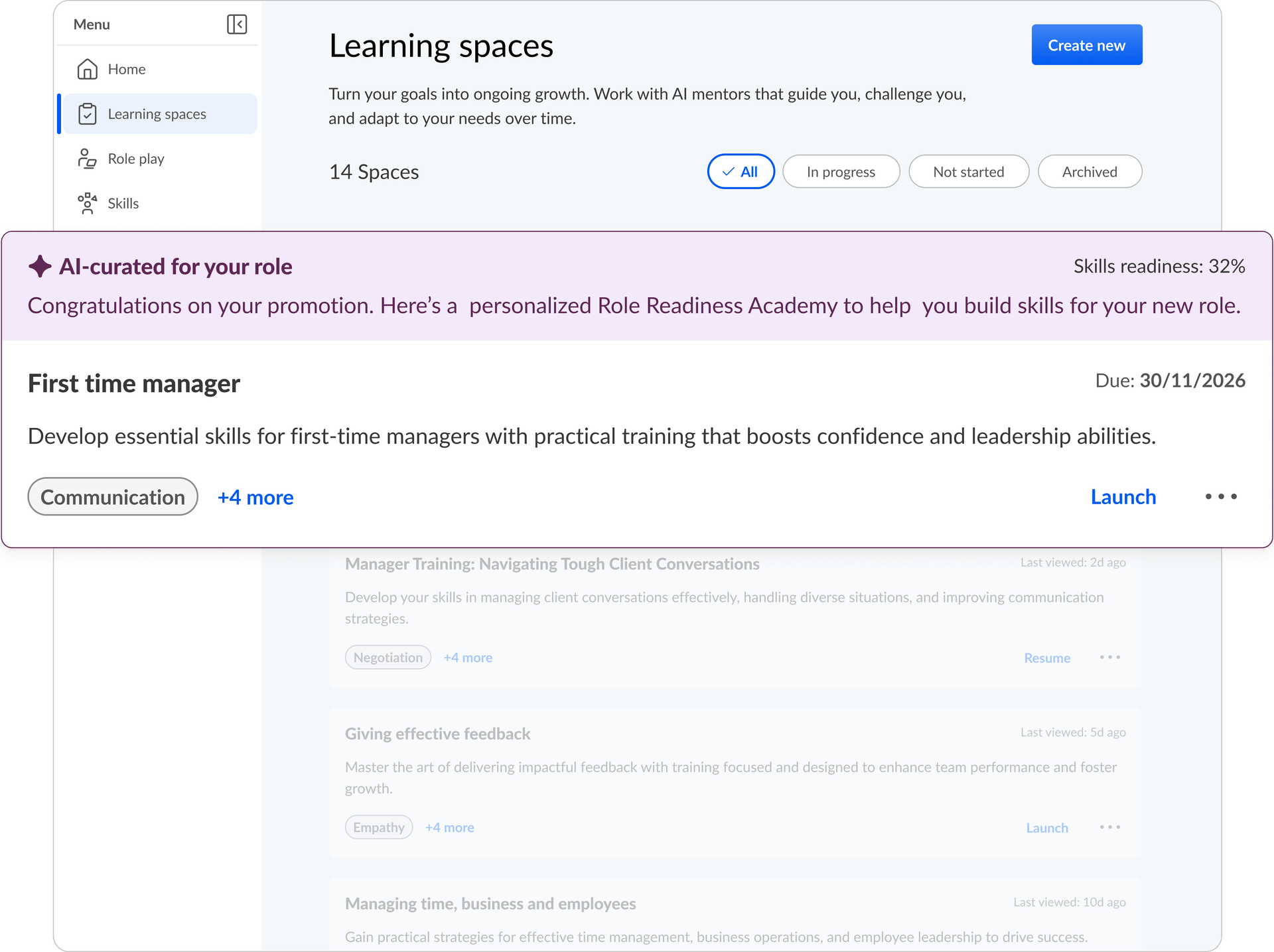
Give people continuous, relevant development tied to changing roles, skills, and business priorities. Help employees build capability in the flow of work and stay ready as needs evolve.
Real stories from your peers


Here to help you lead

Frequently asked questions
How can CHROs get a clear view of workforce capability?
Fragmented talent data is a core obstacle. It makes it hard to see where capability exists, where gaps are emerging, and where your business needs to act. Workforce intelligence solves this fragmentation by bringing workforce signals, labor market intelligence, and core systems data together into one dynamic view, without relying on incomplete profiles or self-reported skills.
How do AI agents help a CHRO's workforce?
AI agents, like (Cornerstone Readiness Agents,) turn skills data, business goals, and workforce signals into targeted coaching, internal mobility, and development. And they’re, delivered directly inside the tools your people already use. That means your employees can grow and move into new roles without adding administrative work for managers or HR, closing the gap between changing business needs and workforce readiness.
What makes a workforce "adaptive" rather than just reactive?
An adaptive workforce develops new capabilities as fast as the business changes. You used to have to, wait for a formal skills gap to trigger a slow, siloed response. To build an adaptive workforce, you can connect workforce visibility, targeted action, and continuous talent development into a single system, so a change in strategy or technology translates into workforce action in weeks, not months.
What should CHROs prioritize first to build workforce readiness?
The first thing we’d suggest is to prioritize workforce Start with visibility. By understanding what your workforce can do and where the gaps are emerging, you can start from a strong is the foundation. From there, pair insights with action using AI agents to translate shifting business needs directly into targeted learning, coaching, and mobility recommendations. At the same time, you’ll want to connect performance, succession planning, career development, and internal mobility into one continuous system, rather than managing each in isolation. You’ll then have a system in place that turns workforce readiness into an ongoing process that keeps pace with your business.
What should an enterprise AI learning platform do to support workforce readiness and close skills gaps?
Enterprise AI learning platforms need to bring workforce signals, labor market intelligence, and core systems data together into one dynamic view of workforce capability. Organizations can then use that single systems to see gaps that used to be of hidden in fragmented talent data. The platform should also translate its insights directly into targeted learning, coaching, and internal mobility action, continuously working to close the gap between what the business needs and what the workforce can deliver.
See how CHROs are building workforce readiness
Talk with a Cornerstone expert about how we can help support your workforce priorities and transformation goals.


